Cleanroom & Controlled Environment Solutions
Measurement technologies for airborne particle classification, continuous monitoring, installed-filter integrity, recovery, airflow visualisation and specialised controlled environments.
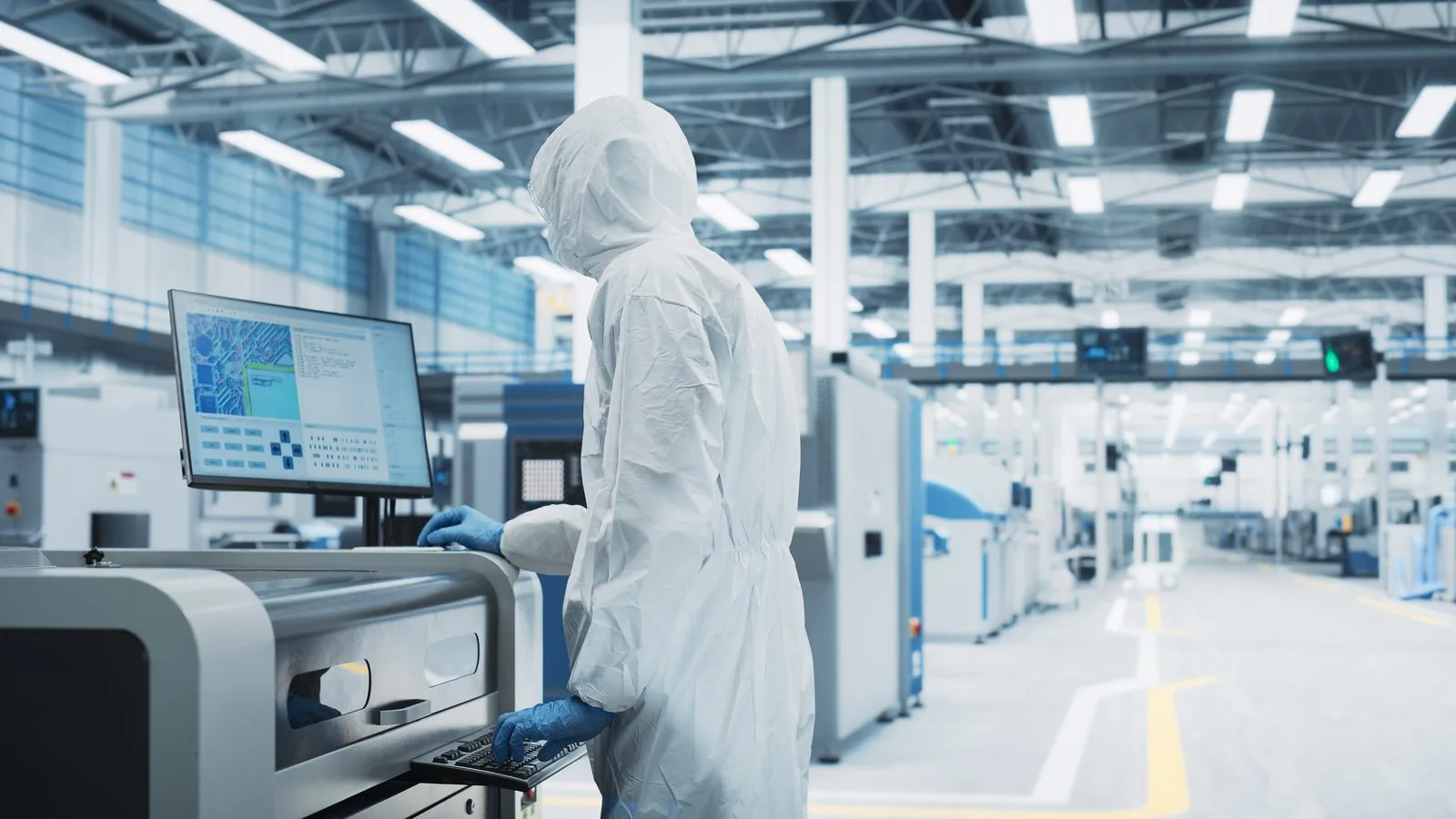
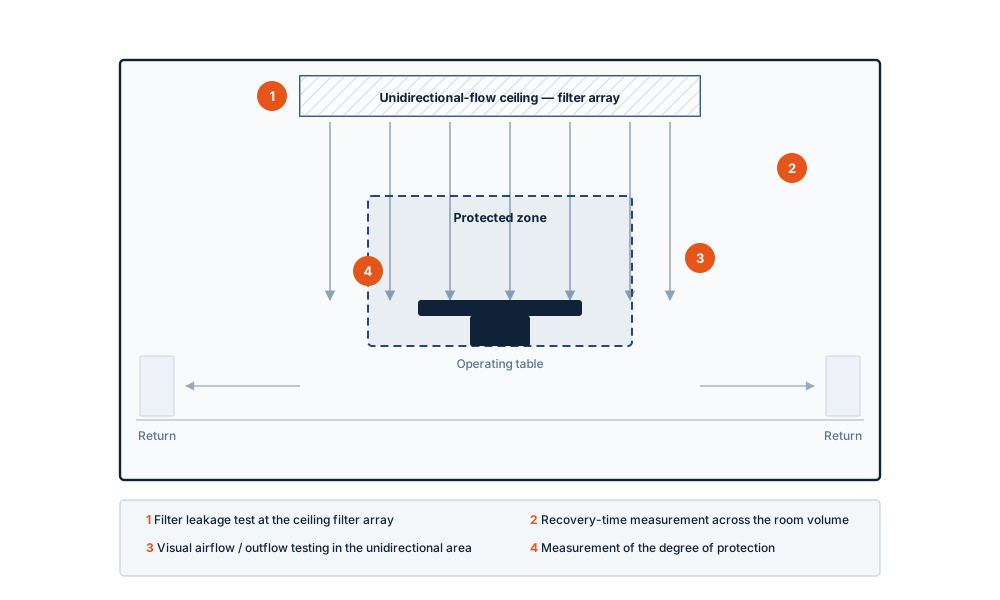
Controlled-environment performance requirements
Define whether the requirement is classification, ongoing monitoring, installed-filter integrity, recovery or airflow behaviour. The method, governing reference and measurement architecture differ for each activity.
Establishing performance at a defined condition
A measurement executed against a stated occupancy state, a defined sampling plan, defined sample volumes and selected particle-size thresholds. The result is evidence of performance at that condition, recorded together with the conditions that produced it.
Providing evidence that performance is maintained
A monitoring plan defining fixed or periodic measurement points, alarm limits, response and record retention from a risk assessment of intended use. A fixed sensor does not classify a room, and a portable classification counter is not by itself a monitoring system.
Which activities apply — and in which occupancy state, at which locations and against which acceptance criteria — is set by the applicable specification, the facility design and the governing test method for the project. No single measurement is universally mandatory for every controlled environment.
Controlled-environment measurement pathways
Each route below is a dedicated solution page covering the method, the applicable standards, the measurement architecture, the technology roles and the relevant products.
 Cleanroom ClassificationClassify airborne particle concentration at defined particle sizes and sampling locations.Explore →
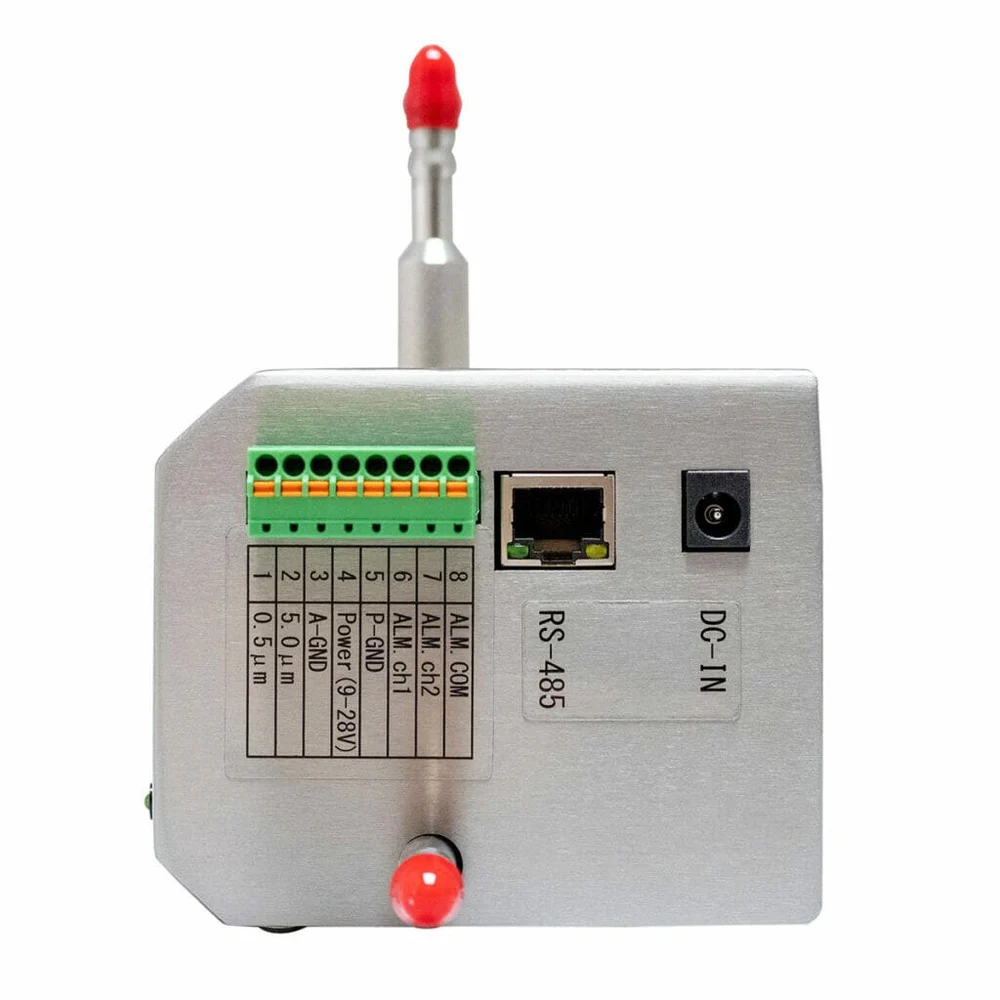 Continuous Cleanroom MonitoringRisk-based fixed-point particle monitoring, trends, alarms and retained records.Explore →
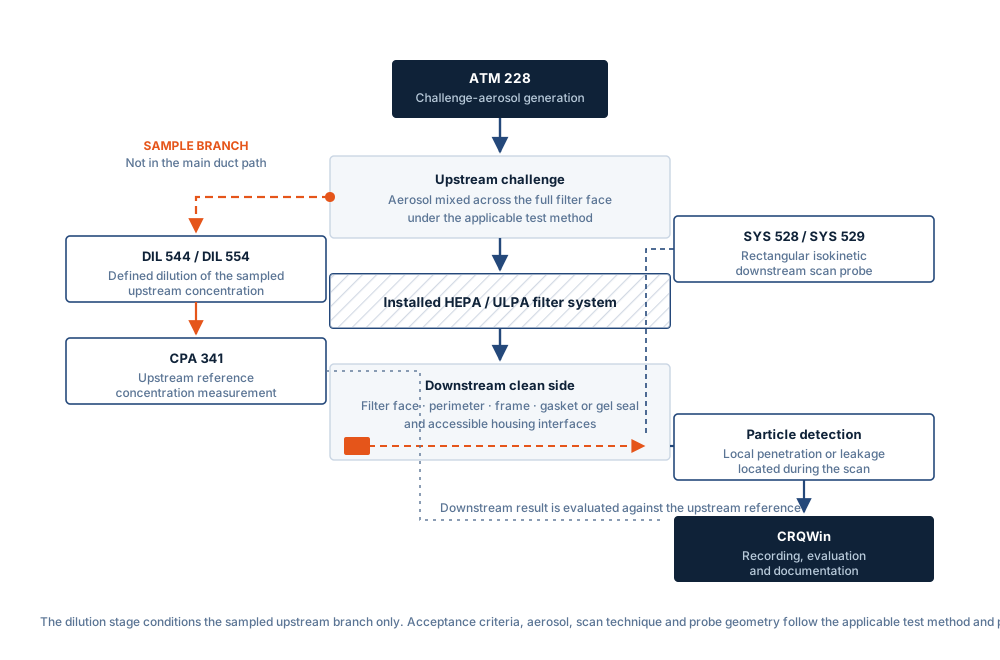 HEPA / ULPA Filter IntegrityEstablish an upstream challenge and scan the installed filter system for local leakage.Explore →
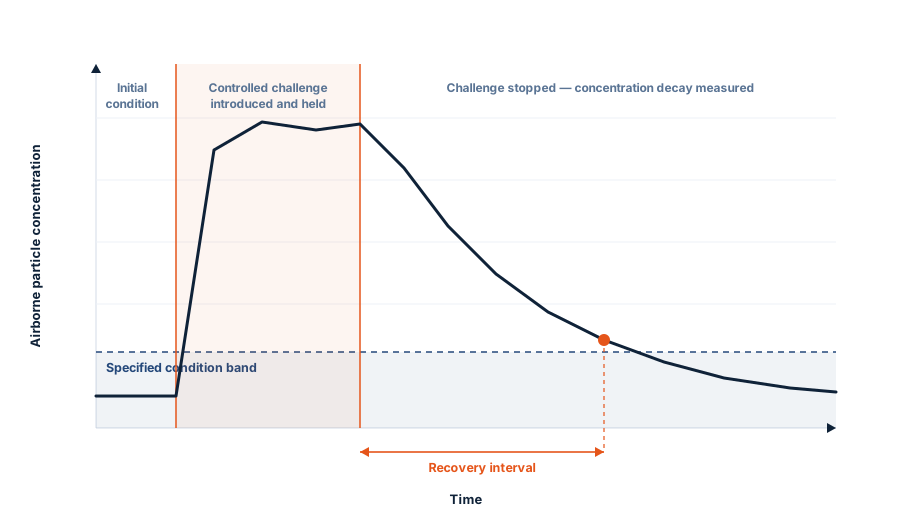 Recovery Time MeasurementMeasure particle-concentration decay following a defined challenge.Explore →
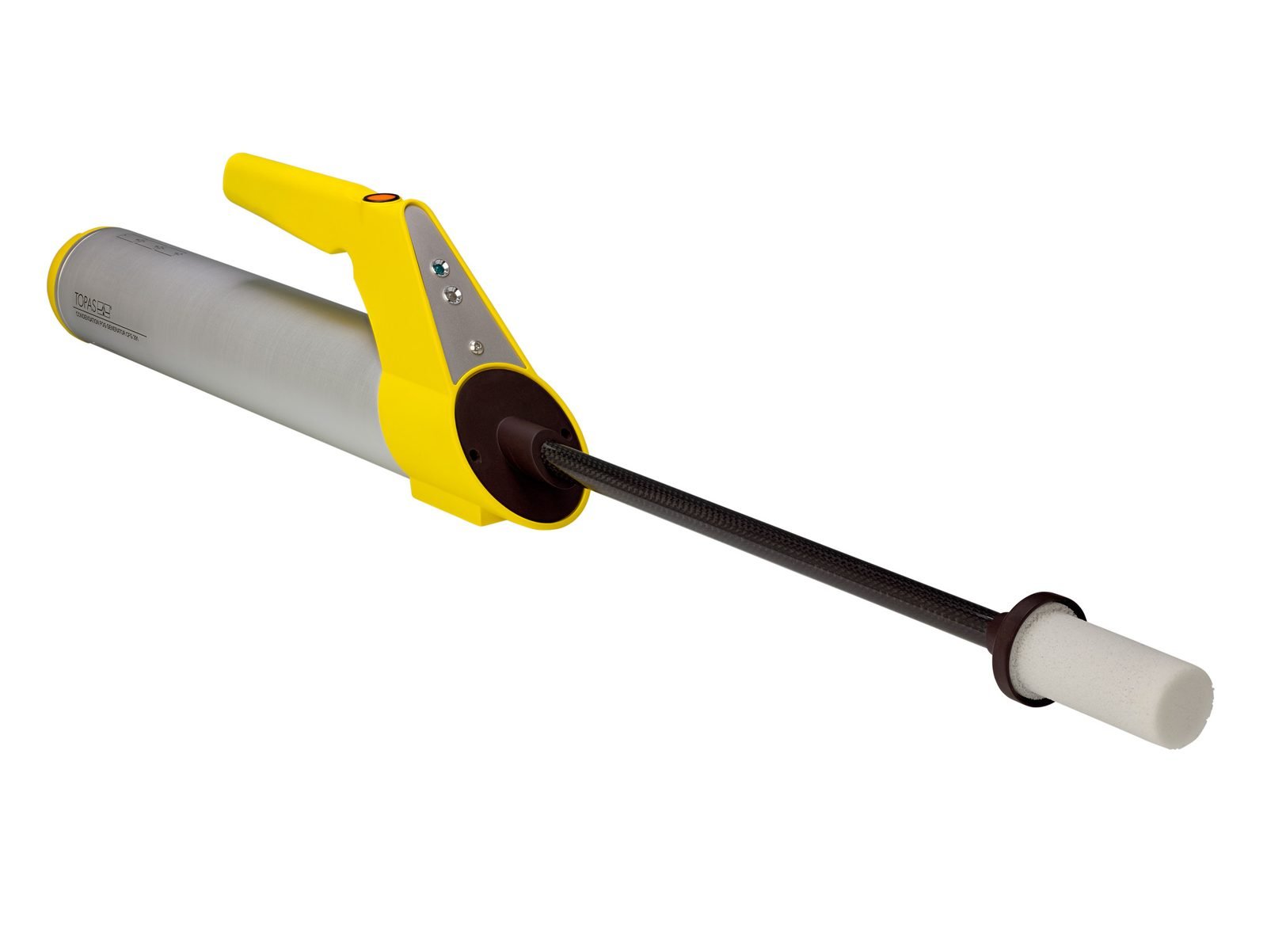 Airflow VisualisationObserve airflow direction, unidirectional behaviour, disturbance and transitions using tracer fog.Explore →
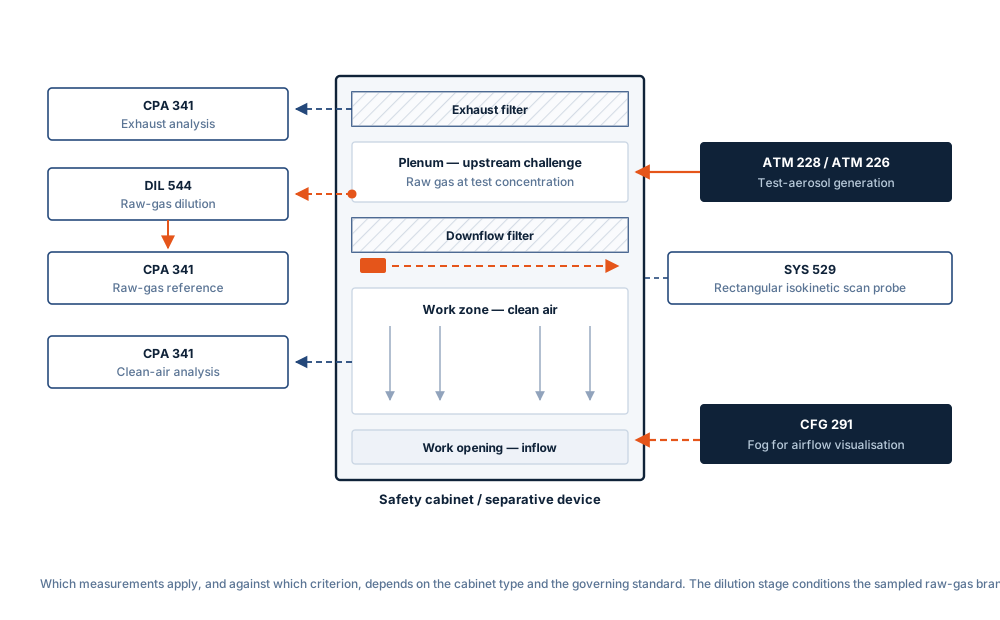 Safety Cabinet TestingFilter-integrity and airflow-visualisation measurement for applicable safety cabinets and separative devices.Explore →Operating Theatre VerificationMeasurement routes for filter leakage, recovery, airflow visualisation and protected-zone performance where required by the healthcare specification.Explore →
Looking for filter development, production quality control, quantitative airflow measurement or indoor-air quality instead? Those are separate application areas — see Aerosol, Filtration & Airflow Test Solutions.
Semiconductor contamination-control priorities
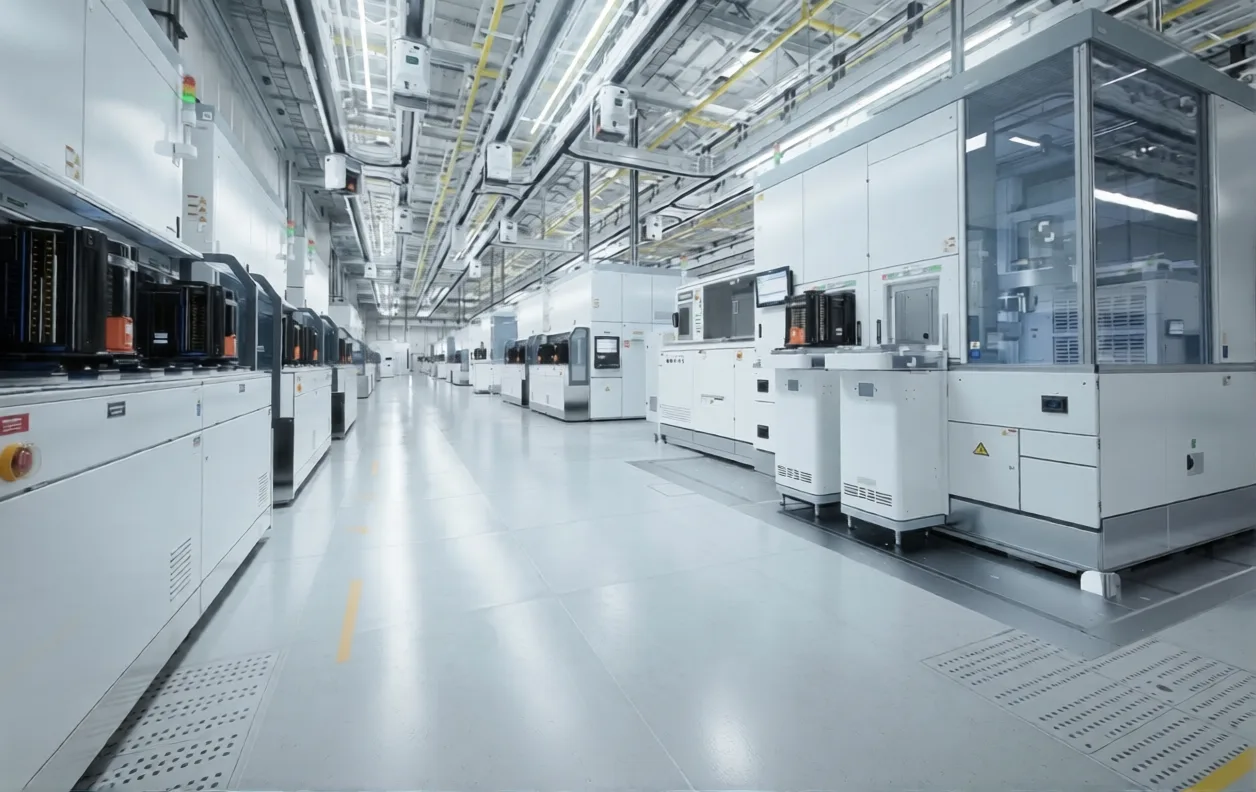
Semiconductor facilities can require extremely low airborne-particle concentrations, with measurement strategy determined by process sensitivity, selected cleanliness class, particle-size threshold and facility contamination-control requirements. The measurement route follows the requirement of the specific area rather than a single facility-wide assumption.
- Ultra-clean classificationWhere the requirement is stated at 0.1 µm, the instrument itself must resolve that size.
- High-flow verificationHigher sample flow shortens sampling time at low concentrations and improves counting statistics.
- Critical-area monitoringFixed sensors at risk-assessed locations feeding trend, alarm and retained evidence.
- Equipment suitabilityAssessment of tools introduced into the cleanroom with respect to airborne-particle concentration.
Pharmaceutical qualification and monitoring priorities
Sterile-manufacturing environments combine cleanroom classification with facility-specific qualification, requalification and operational environmental-monitoring requirements, inside a documented contamination control strategy.
Measurement evidence is generated under an approved protocol; qualification review and acceptance remain within the facility quality system, contamination control strategy and authorised testing responsibility.
- ClassificationAirborne-particle classification of the graded area.
- Final-filter integrityIntegrity test of the installed final filters.
- RecoveryRecovery testing for appropriate non-unidirectional environments.
- Environmental monitoringOngoing evidence of continued performance between qualification events.
Healthcare and specialised environment verification
Spatially confined clean-air enclosures and healthcare environments are verified against their own device- and facility-specific standards, which are frequently regional. They are not covered by cleanroom classification alone.
Healthcare ventilation verification references such as DIN 1946-4 and SWKI VA105-01 are regional or project-specific. They apply where a project, customer specification or local regulation calls for them, and are not automatically Indian statutory requirements.
Standards and measurement applicability
Each reference governs a different measurement or assurance activity. Select it from the required evidence, the test object and the applicable project or regulatory context.
Cleanroom measurement system configuration
Share the industry, cleanroom state, particle-size requirement, qualification method and applicable project or regulatory reference with Primionics.